3 Important Differences Between Composite and Porcelain Dental Veneers
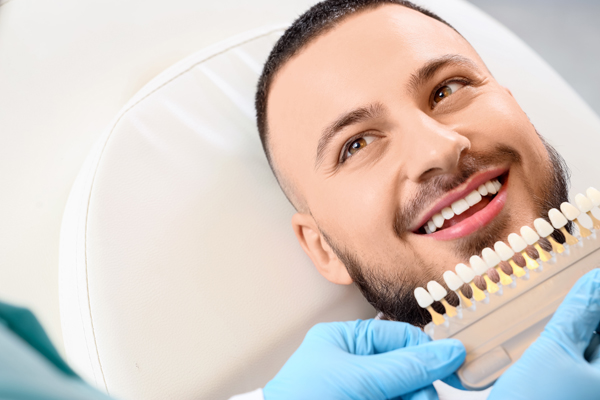
Deciding to get dental veneers is a major step toward a confident smile, which is why dentists want to ensure patients feel comfortable about every aspect of this treatment. That includes the material of the veneers. Some patients prefer the convenience of composite resin, while others enjoy the look and feel of porcelain. Knowing the main differences between composite and porcelain veneers can help you make a more informed choice for your future smile.
What can dental veneers do for your smile?
Dental veneers are ultra-thin shells that cover the front of the teeth. Most patients seek this treatment to achieve a more uniform and balanced appearance. For example, both composite and porcelain options can address cosmetic concerns such as gaps, chips, staining, and unevenness along the smile line.
The difference between composite and porcelain dental veneers
Both composite and porcelain dental veneers use quality materials, but those materials behave differently over time. A dentist evaluates the patient's oral health and expectations before making a recommendation. They strive to provide the veneer type that meets the patient’s immediate needs, such as expected treatment time, and supports their long-term smile goals.
Remember, neither veneer type is inherently better than the other. It all comes down to the patient. Some key differences that help patients decide between the two include:
1. The look
Composite veneers consist of a tooth-colored composite resin that the dentist applies directly to the enamel. The dentist sculpts and polishes the resin to create a smooth, attractive finish. This material offers a major improvement in color and shape for the teeth. It works well for patients who want a noticeable change in texture, with a matte or satin finish.
Porcelain veneers provide a more lifelike shine due to the translucent nature of the ceramic material. This ceramic mimics the way natural enamel reflects light, creating a three-dimensional glow. Many patients prefer this look for the front teeth because it appears nearly identical to the rest of the natural tooth structure.
2. Treatment time
Treatment time with dental veneers varies depending on the chosen material. Composite veneers can be done in a single appointment. This efficiency appeals to patients who want immediate results for a special event or a busy schedule.
On the other hand, porcelain veneers take two appointments because they are made in a dental lab. In the first appointment, the dentist prepares the teeth and takes a digital scan or impression. A dental lab then creates the custom shells for a perfect fit. Once the lab returns the pieces, the dentist bonds them securely to the surface of the teeth.
3. How long can the veneers last
Composite and porcelain veneers also have different lifespans. Composite veneers offer reliable strength for daily activities, but the material is simply softer than porcelain. They typically last between five and seven years before signs of wear become visible.
In comparison, porcelain veneers last 10 to 15 years with proper care. However, this does not necessarily mean porcelain is better. Many patients still prefer composite and have no issue with getting a replacement a bit earlier. Again, it is all about what works best for the patient as an individual.
Choosing a veneer material for your smile
Need help choosing between composite and porcelain dental veneers? Our team at Tower Dental can discuss the differences between the two in greater detail. Contact us today for more information.
Request an appointment here: https://www.towerdentalusa.com or call Tower Dental at (949) 620-5333 for an appointment in our Irvine office.
Check out what others are saying about our dental services on Yelp: Dental Veneers in Irvine, CA.
Related Posts
If you find yourself hiding your smile due to imperfections on your teeth, a meeting with the general dentist for cosmetic dentist treatments can transform your smile. Whether you wish your teeth were straighter and whiter with no flaws, there are different dental procedures available to transform your smile. This article covers a few of…
A smile makeover can help teenagers feel more confident when cosmetic imperfections affect the way they smile. The teenage years are hard enough, bringing school photos, sports, social events, and milestones that make smile confidence feel particularly important. With an age-appropriate treatment plan, cosmetic improvements can look natural and protect the developing smile.Teenagers naturally become…
Dental implants provide a reliable, long-term solution for replacing missing teeth, but not every patient qualifies for treatment immediately. Several oral health and medical factors can affect whether implant placement is appropriate at the time of evaluation. The goal of a general dentist is to identify these concerns and develop a treatment plan that improves…
Clear aligners are becoming increasingly popular and many are choosing them over traditional braces. They offer a range of benefits, which include a discreet treatment option, the ability to remove them while eating and brushing teeth and faster treatment times on average. Learning more about how clear aligners differ from traditional braces and why so many…